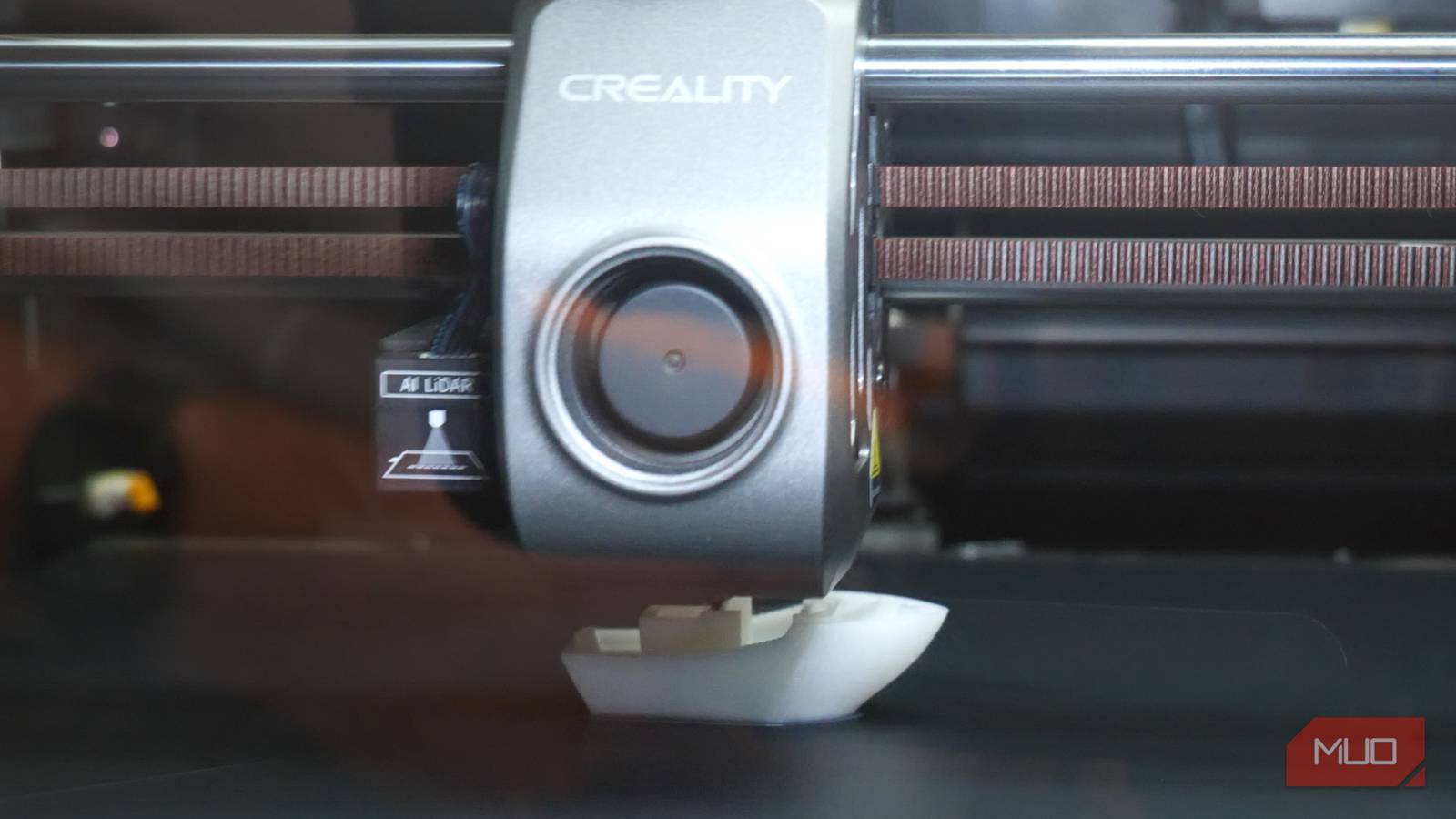
My Bambu Lab P1S sits on a desk in my home, and most of what it makes is dumb stuff like chip clips, dice, and cable organizers. Until recently, the biggest legal question I’ve had is whether I can sell what I print. That changed on May 27, 2026, when New York governor Kathy Hochul signed her state’s FY27 budget into law. Buried inside the document is a provision that will eventually determine what every 3D printer sold in the state is allowed to print. California has a similar bill working through its Senate right now, as well.
Here’s what happened, what’s still in proposal, and why the software both states want doesn’t exactly exist yet.
New York already passed its version
The mandate isn’t active yet, though
Part C of the enacted NY budget requires 3D printers sold there to include “blocking technology,” which is in theory software or firmware that runs every file through a “firearms blueprint detection algorithm” before users can print the model. If the algorithm flags a print job as a potential gun or gun part, the printer will refuse to run it — the same basic idea as the anti-counterfeiting tech that stops copiers and printers from reproducing money.
Of course, the requirement doesn’t just switch on the minute the Governor signed it. The law’s performance standards have to be created by the state’s Division of Criminal Justice Services, which still has to convene an expert working group. Only after that group’s report and DCJS finalizes the rules will the sales requirement take effect. And even then, not for another year. There’s also a feasibility clause: if the working group decides the scanning technology genuinely can’t be built, it can defer the mandate rather than force manufacturers to ship something that doesn’t work.
Back in April, the Electronic Frontier Foundation (EFF) reported that the law as it stood then meant that people could incur felony charges for sharing or possessing files that could produce gun parts. The version Hochul actually signed is narrower: distributing or possessing what the penal code calls “digital firearm manufacturing code” without a gunsmith or federal firearms license is now a class A misdemeanor, the same tier as fourth-degree weapon possession, not the felony some earlier drafts carried.
The one felony that survived in this package targets a specific hardware feature on new handguns, not printers or files at all
Nobody has actually built the detection tech
Geometry alone can’t tell a bracket from a barrel

The main problem (and likely why the effective date is so cautious) is that nothing on the market can reliably do what the law asks. Adafruit’s Phillip Torrone explained the issue months ago, saying that any detection algorithm needs to recognize every possible firearm component from a raw STL or G-code file without also flagging models like pipes, brackets, gears, or any other ordinary shape that shares geometry with gun parts.
That’s a classification obstacle that will lead to a ton of false positives and false negatives — the same reason open-source firmware projects like Marlin and Klipper haven’t shipped anything that even somewhat meets the standard. And because both are swappable in minutes, any state-mandated block built into stock firmware would be trivially removable, which is part of why critics call the mandate unenforceable against bad actors while still exposing ordinary hobbyists to liability for routine firmware updates.
California’s version goes further on enforcement
Bypassing the software would be its own crime

AB 2047, California’s “Firearm Printing Prevention Act,” cleared the Assembly in May and the Senate Judiciary Committee on June 24, 2026, but it’s still a bill, not a law. It follows a different structure than New York’s: rather than a blanket sales ban, the state Department of Justice would certify compliant printer models and publish a running list, with a prohibition on selling anything not on it starting December 1, 2029. Where California’s bill goes further than New York’s is on circumvention. Disabling, modifying, or removing the blocking software would itself be a misdemeanor, a provision that worries the same open-source firmware community, since switching to something like OrcaSlicer in LAN-only mode already means giving up Bambu Lab’s cloud features today, on hardware nobody’s regulating yet.
What this means if you own a printer right now
If you already own a printer, none of this matters too much yet. New York’s device mandate is pending rulemaking that hasn’t started, and California’s bill hasn’t reached the governor’s desk. But the pattern is worth watching if you’re thinking about buying your first printer, or you’ve built a small library of prints like the organizers and stands I’ve replaced with plastic instead of buying them. Two of the largest state markets in the country are now on record trying to put content-scanning software on general-purpose manufacturing hardware, and Washington has a similar bill sitting in committee. Whether the technology to do that responsibly ever gets built is a separate question from whether the law will require it anyway.