
Summary
- Rising RAM prices are pushing some budget phone manufacturers to use recycled memory chips.
- Used RAM is removed from discarded devices, cleaned, tested, and fitted with new solder balls before being reused.
- Aging silicon and the heat involved in reworking chips can increase the risk of crashes, freezing, and unexpected shutdowns.
RAM has become so expensive that some manufacturers are now putting used memory chips inside brand-new phones. While recycled RAM currently appears in only a small portion of budget devices, TrendForce’s latest industry research estimates that its share is only going to increase in 2027, reaching 7–9%.
Research from other organizations has also covered this. Counterpoint Research has also found that some entry-level smartphone manufacturers have started using recycled memory to keep their bill of materials (BoM) manageable. However, compatibility and other technical barriers still prevent manufacturers from putting just any old RAM chip into a new phone.
Inside Shenzhen’s secondhand RAM trade
In Huaqiangbei, chips salvaged from old phones go back on sale
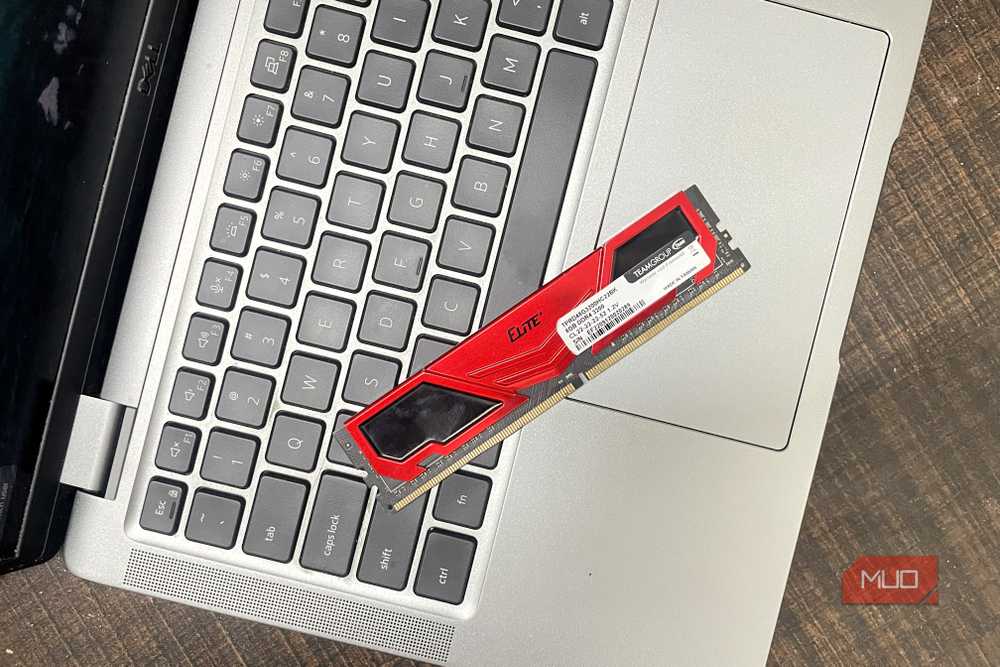
A memory shortage has been plaguing the tech industry for some time now, with DDR5 prices recently beginning to climb again. Mobile DRAM prices are also expected to rise further in the first quarter of 2027. According to reports, Apple, Samsung, and other companies at the top of the food chain are better positioned to absorb the shock of the so-called “RAMflation.” However, smaller manufacturers competing on price have far less room to increase what they charge.
This pressure has helped turn Shenzhen’s Huaqiangbei electronics district into a hub for the secondhand memory trade. According to a Seoul Economic Daily report, traders source these memory chips from discarded electronic devices before selling the reworked parts for up to 60% lower than the price of brand-new ones.
Besides entry-level and budget smartphones, these recycled chips are also finding their way into IoT devices and automotive accessories. Seoul Economic Daily also notes that there’s no confirmation that any of the major Chinese brands like Huawei or Xiaomi are using recycled memory in their flagship phones.
How old RAM is recycled
The process begins by heating an old circuit board until the memory chip can be detached. Then, any residual solder is removed until the chip is cleaned enough for inspection and performance tests. Before being mounted onto another circuit board, new solder balls are applied to the underside of chips that survive this process and show adequate performance. This is why these recycled chips are commonly called “reballed” memory.
Some of these chips have already been used for several years, and recyclers hope to keep them running for another couple of years. At least one example of a product with reballed memory has already reached the US market. A Reddit user noticed the packaging of a new Cricket Ovation 4, which says that the phone contains “reconditioned” RAM and storage.
Is recycled RAM necessary bad?

A used memory chip can still give you plenty of performance, and perhaps now’s the best time to check your drawers for old RAM. That said, most of the problems with secondhand memory chips come from their history and the reworking process. The semiconductors used in these chips can degrade after years of use, and the heat required to remove a chip from one board and solder it onto another can put the silicon components under a lot of stress.
A deteriorating DRAM chip can become less capable of retaining data reliably. In practical terms, memory errors could cause apps to close unexpectedly, make the phone freeze, or result in unexpected shutdowns.
RAM prices are unlikely to return to normal soon, so recycled memory may become considerably more common before the shortage ends. There is at least some hope further ahead, as reports suggest that DRAM supply could finally move ahead of demand in 2028 and begin breaking the inflationary cycle.