
The DRAM shortage is the worst thing to happen to consumers in the hardware and electronics space in a very long time. On average, RAM prices have increased 334–600% YoY as data centers absorb the limited DRAM supply.
Now, manufacturers like SK Hynix are moving towards a business model that explicitly caters to data centers, and companies like Micron have completely exited the consumer space, working only with businesses.
Amid this fiasco, TeamGroup’s CEO has shared more bad news, warning that the darkest days for memory are yet to come and that the situation won’t improve until the second half of 2028 at best.
What TeamGroup’s CEO warned
Prices won’t fall in 2027, and stocks may run out
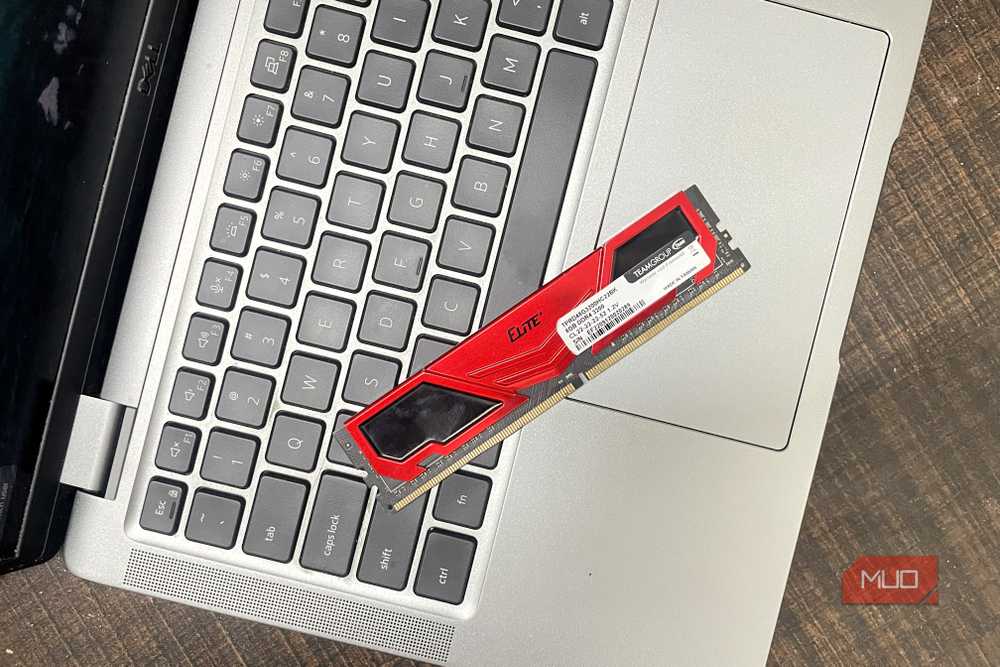
During the company’s latest earnings call on November 2, 2027, TeamGroup CEO Chen Ching-wen addressed the memory crisis, dispelling earlier hopes that memory prices would ease in 2027 and saying there won’t be a “downward price trend” whatsoever.
However, it’s not just prices that are the concern anymore, since the CEO said we’re about to reach a point where “even money can’t buy goods.”
Memory is still buyable, just ridiculously expensive. However, makers are shifting their focus to enterprise. That leaves crumbs for consumers, who will fight over whatever little’s left. This also leaves a wide opening for scalpers, who will set their own irrational prices for RAM.
Even TeamGroup can’t secure enough chips
Contracts no longer cover demand, so manufacturers are paying spot premiums

TeamGroup is on a roll right now. Its net profit after taxes has jumped by 50%, and that’s just a quarterly increase. However, the company is struggling to meet its supply needs.
Since TeamGroup does not manufacture its own DRAM chips, it acquires raw chips to assemble and sell under its own brand. Even with contracts in place, the company cannot secure sufficient volume.
To ensure RAM is still made, the company is now turning to spot markets, where it has to pay a 30–50% premium over contract prices. This is a bigger problem than many realize, because the makers themselves don’t have the goods to make RAM.
Other leaders share the same outlook
SK Hynix and Apple point to the same pressure

It isn’t just TeamGroup that is pessimistic about the whole RAM situation. A while ago, SK Hynix’s CEO also came forward with a statement, painting a similar picture of the overall memory conditions, but with more elaboration.
According to Kwak Noh-jung, the memory industry is heading toward its worst-ever supply shortage in 2027, with the same momentum persisting till 2030.
On the other hand, Apple’s shares fell by 4% during the new CEO John Ternus’ first earnings call, where he blamed memory costs for the shortcomings.
The problem is that consumers bear the brunt of whatever’s happening at the top. For instance, Apple increased iPhone prices by $100 after launching the new iPhone 18 series in September, across all models, new or old. Similarly, the PS5 is now $650 after two price hikes for the base model, up $150 since launch.
Micron has already secured 16 strategic customer agreements (SCAs) for the next five years, and this agreement offers protection to customers from high memory prices. Though the client names aren’t revealed, it still suggests they expect tight supply until 2030, which is why they’re adamant about securing deals before nothing is left.
Should you buy RAM now?
The best time to plant a tree was 20 years ago. The second-best time is now
If you’re expecting memory prices to ease up next year, that’s practically impossible given what’s going on right now, and the same trend is expected to continue through the end of this decade. Technically, the RAM crisis is yet to reach its worst state, so now might be a good time to buy or upgrade a PC if you’ve been delaying.
Early Black Friday sales are live, and through the end of 2026, you’ll find better RAM deals at lower-than-usual prices amid the current RAM crisis. The same goes for NAND and GDDR, since DRAM isn’t the only type being affected. In fact, components like PSUs and motherboards are more expensive as well due to the snowball effect of rising AI costs. But you’re not going to suddenly find 2024 prices.
AMD has also warned that its focus is now on data centers, where it’s seeing the most revenue, and that the desktop space is something all companies are slowly getting the back foot on.
The one thing worth watching out for
With suppliers signing multi-year deals, waiting for prices to go down is betting against their own plans.
Chinese memory manufacturer CXMT is expected to bring relief to the market soon, but its global DRAM market share is down to just 10%, putting it in fourth place behind the big three (Samsung, Micron, and SK Hynix).
This won’t be enough even to offset data center demand, let alone reach consumers. Until the output for RAM manufacturing grows, which won’t happen for a few more years, expect RAM prices to rise further rather than wait for a crash.