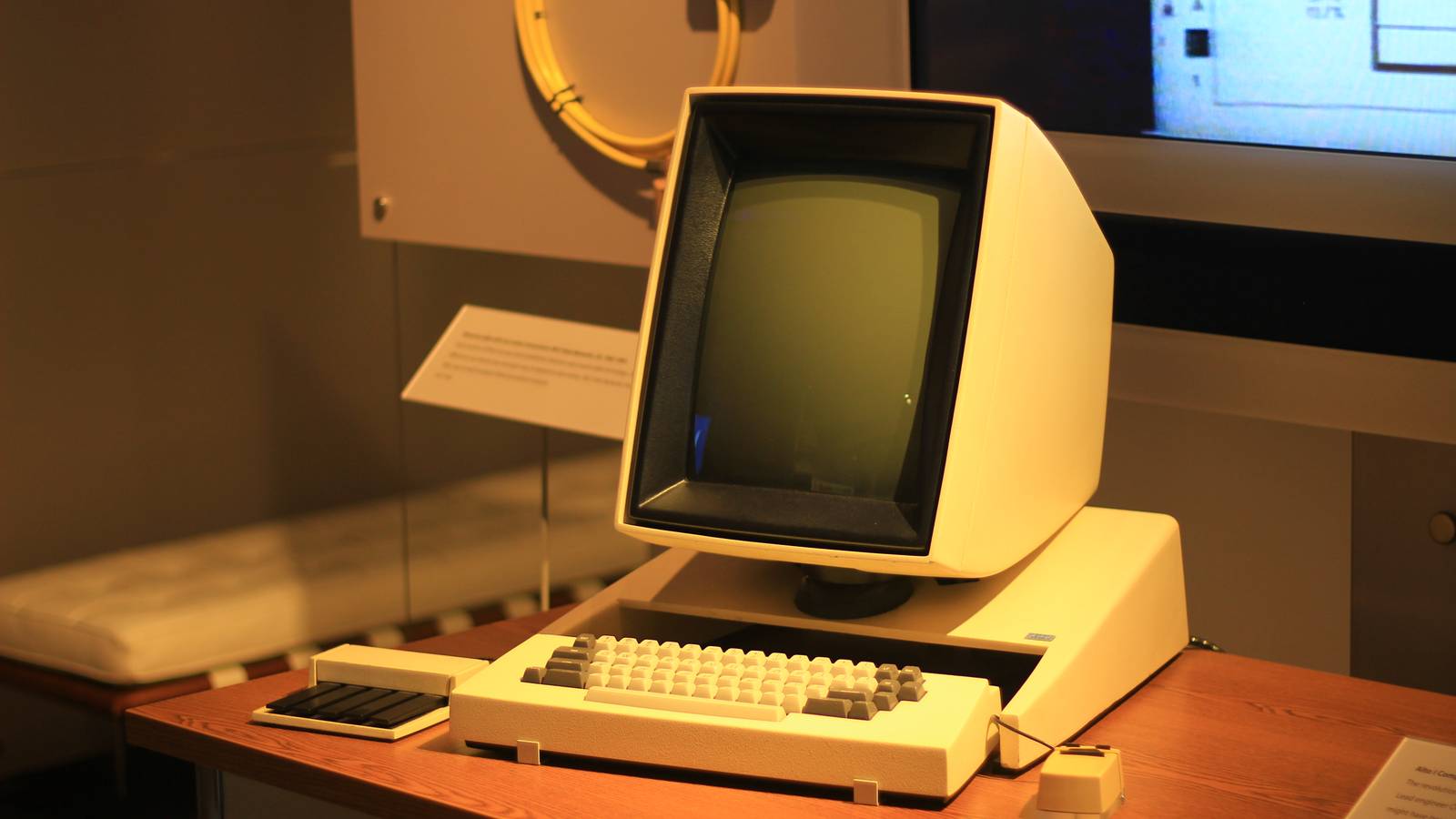
In December 1979, 24-year-old Steve Jobs walked into the Xerox Palo Alto Research Center and, according to the version of the story everyone tells, stole the future of computing in an afternoon. The real story is both stranger and perhaps a bit more prosaic than that. Jobs didn’t actually steal anything, as Xerox went into the transfer of tech openly and willingly.
By the end of 1979, Apple was preparing for one of the most anticipated public offerings in tech history, and Xerox’s venture arm wanted in before the price went up. Jobs offered a trade: Xerox could buy 100,000 pre-IPO Apple shares at $10 each, a $1 million bet, in exchange for letting a team of Apple engineers spend real time inside PARC, the research lab where Xerox was inventing the next two decades of computing.
The deal was more stock swap than burglary
Xerox paid for the tour it later regretted giving

Xerox agreed to the tour of Xerox’s facility, even though PARC’s scientists were never told about the financial deal. Larry Tesler, one of the researchers who ran the Apple demo, later described the scene at a 2011 Churchill Club event, and it wasn’t the calm handoff of legend. Jobs, sitting in on a PARC pitch meeting he wasn’t even running, cut off a tangent and demanded the room “tell them about the Lisa.” Later, watching a live Smalltalk demo, he grew visibly incredulous that PARC wasn’t doing more with what it had built.
That single visit didn’t happen in isolation, either. Multiple accounts, including a Stanford University retrospective on the meeting, note there were actually two Apple visits to PARC that winter, and that Apple’s Macintosh and Lisa teams were already sketching bitmapped, graphical designs months before either trip. The PARC visit gave Apple something more valuable than a new idea: confirmation that its own bets had already worked.
Jobs saw three things and only remembered one
The mouse stole the whole meeting

What the Apple team actually saw at PARC was the Xerox Alto running Smalltalk, an object-oriented programming environment built by Alan Kay’s research group. IEEE Spectrum’s account of the demo describes engineer Dan Ingalls live-editing the interface in front of Jobs, changing how selected text displayed in real time, a level of interactivity nobody outside PARC had seen on a general-purpose computer.
Jobs later said the demo showed him three separate things: the graphical, mouse-driven interface; Smalltalk’s object-oriented programming; and Ethernet, PARC’s networking system linking over a hundred Altos together. In a 1996 PBS interview, he admitted he was so fixated on the mouse-focused graphical interface that he barely registered the other two. That selective memory is exactly why the popular version of this story flattens a three-part demo into one lightbulb moment. Jobs walked out having genuinely only absorbed a third of what he was shown, then spent the next four years proving that was the one that mattered.
Xerox already owned the future and couldn’t sell it
The Alto never left the lab in numbers that counted

The bitter irony is that PARC had already built the future, but nobody there could figure out how to sell it. According to a history of PARC’s early personal computing work, Xerox only ever built around 25,000 Altos, essentially all for internal use and research partners, and its commercial follow-up, the 1981 Xerox Star, launched at $16,000 per unit. Jobs took the same basic ingredients and, over the following years, ended up at a price and simplicity that Xerox’s own sales org never reached.
Jobs folded what he’d seen into the Lisa first, then the far more affordable Macintosh. The bet paid off for Xerox almost immediately, at least on paper. Apple went public on December 12, 1980, pricing shares at $22 and closing the first day at $29, instantly making Xerox’s 100,000-share stake worth several times the $1 million it had paid. Xerox made good money on the deal, but never turned it into a real product line.
The visit’s other legacy walked out the door too
PARC’s exiles didn’t stop at Apple

The Apple deal wasn’t the only time PARC’s own work walked out ahead of Xerox’s ability to sell it. Three years after the Jobs visit, two more Xerox PARC researchers, John Warnock and Charles Geschke, left to start their own company, naming it after the creek behind Warnock’s house. That company was Adobe, and PostScript, the technology it built, ended up powering the printer Apple shipped alongside the very Macintosh that grew out of the 1979 visit. Twice in three years, Xerox research left the building faster than Xerox could commercialize it.
Xerox never had to sue anyone over what happened next, unlike the fights that followed in tech’s next few decades, from Microsoft defending Windows’ dominance against a rival DOS to Google’s decade in court over how much of Java’s API Android was allowed to reuse. Xerox sold its access willingly, then simply never built a company that could compete with what it had shown to others.
Xerox is still a part of this story
PARC didn’t vanish after the Jobs visit, of course. Xerox spun it into an independent subsidiary in 2002, then donated it outright to SRI International in 2023, closing out more than 50 years as a Xerox lab. The Alto’s DNA is easy to trace forward from there: the windowed, mouse-driven interface Jobs saw on that one afternoon is still, functionally, the interface on the screen you’re reading this article on.
Xerox invented the desktop computer, more or less, then spent the next several decades getting outmaneuvered by the people it briefly let inside the building. 24-year-old Steve Jobs didn’t out-invent Xerox’s scientists, but rather understood that a graphical interface was worth building a company around, at a price ordinary people could pay, while Xerox’s own leadership never did.