Summary
- Amazon will design its own chips for Kindle, Fire TV, Echo and other devices, moving away from external processors.
- The primary goal appears to be cost-cutting, not a major performance overhaul.
- Rollout starts in 2027 and will be gradual, aiming for about 40 million in-house chip shipments annually once complete.
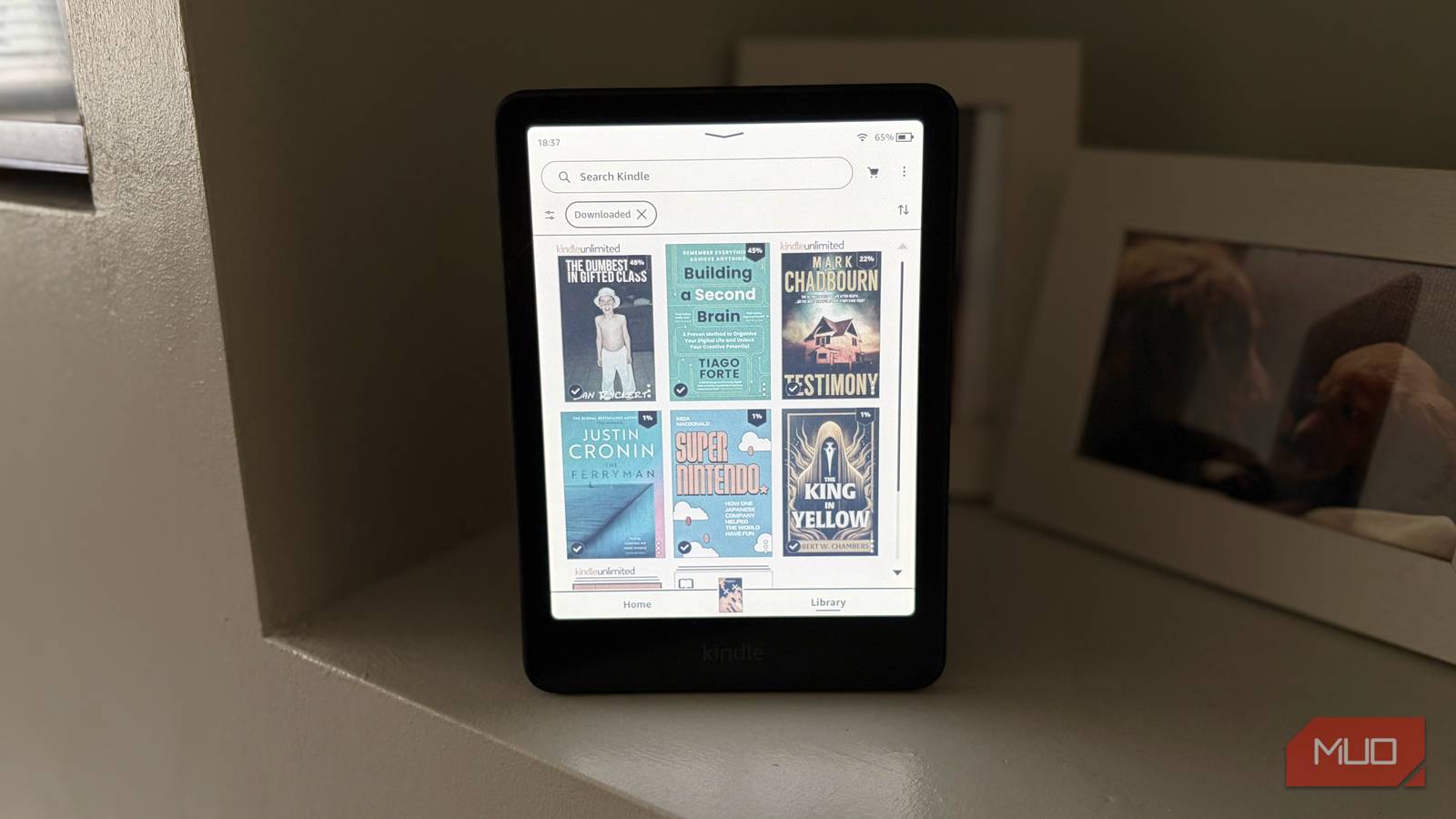
According to industry analyst Ming-Chi Kuo, Amazon is preparing to switch to its own custom chips for its consumer electronics. Affected product lines include big names like Kindle, Fire TV, and Echo.
I thought I owned my Kindle books — I was wrong
Amazon has a unique way of letting you read its books, and it makes sure you don’t own a single one you purchased from it.
In-house chips for Amazon devices
The company has big ambitions
Kuo outlined Amazon’s plans in a post on X. Currently, most of Amazon’s device lines, including Kindle, Fire TV, Blink, Ring, and various Alexa-enabled products, use “externally-sourced processors.” For example, current Kindle models use MediaTek chips. However, Amazon is planning to shift away from external sourcing and “adopt a COT model similar to the one used for AI chip Trainium, taking more control of processor development in-house.”
Amazon already has some experience with custom chips in consumer devices — the Echo Dot Max, Echo Studio, Echo Show 8, and Echo Show 11 announced in September 2025 already use in-house chips. This new initiative would mark a major expansion. Alchip will be the exclusive partner for back-end design and testing.
This is a cost-cutting move
But don’t get your hopes up for lower prices
Let’s get this out of the way first — when people hear “in-house chips,” the first thing that comes to mind is often the Apple Silicon revolution. I would not expect that level of performance gain or paradigm shift here (though I could be wrong). First, these are Kindles and smart-home devices we’re talking about, rather than personal computers. Second, the primary driver of the change appears to be cost savings.
That last bit is important. According to Kuo, Amazon’s free cash flow has fallen significantly — 95% year-over-year, as of the first quarter of 2026. This chip initiative is part of a broader optimization of the company’s cost structure. In other words, this isn’t about performance or efficiency (though they may be byproducts).
Of course, the big question is whether any of these cost savings will get passed on to consumers in the form of lower prices — Kuo doesn’t mention this, but personally, I would be surprised to see prices drop. Of course, if you’re looking for Kindle alternatives, there are plenty of great options on the market.
When to expect Amazon silicon
As soon as next year?
Kuo highlights that this strategy will begin in 2027, but that the shift will be gradual. I wouldn’t necessarily expect every new Kindle to suddenly ship with Amazon silicon inside. That said, Kuo points out that once this initiative is completed, annual shipments of in-house processors are expected to reach 40 million units — not a small number. While you wait, you can check out some of the nifty things your Kindle can do (besides reading books).
Updated 7/2/26: This story was updated after receiving additional info from Amazon around its current use of custom chips in certain Echo devices.

- Screen
-
7 inches
- Storage
-
32GB
- Weight
-
7.5 oz
- Dimensions
-
5” x 7” x 0.3”
- Battery Life
-
Up to 12 weeks
The Kindle Paperwhite is an amazing eReader, and the Signature Edition makes it even better. It packs incredibly long battery life, an auto-brightness feature, and other upgrades to enhance the Kindle experience.