Graphics card prices are set to climb once again, despite the Bank of America removing Nvidia and Micron from its list of top stock picks this week.
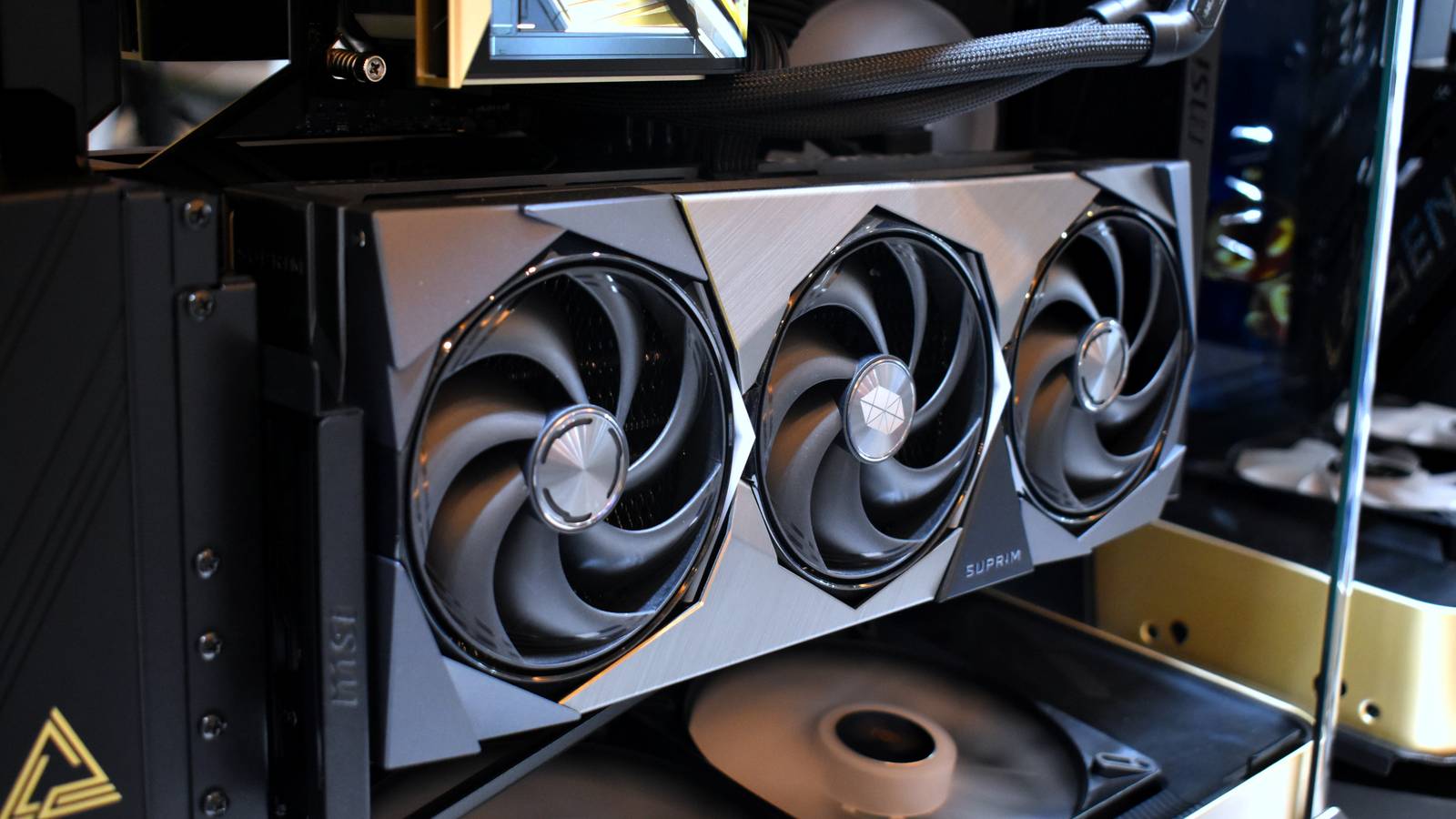
According to reports from the Chinese supply chain channel ChannelGate, major manufacturers like MSI have rolled out broad price increases for the RTX 50 series in China. The adjustments hit high-end cards the hardest, with the RTX 5080 facing potential jumps to the dollar equivalent of up to $1,200 USD. The RTX 5070 Ti could see spikes up to $600 USD, while the RTX 5070 could see a $100 USD spike. The budget RTX 5060 Ti 16GB faces a smaller—but still annoying—increase of up to $60 USD.
This could impact the future of the RTX 5090
Earlier rumors claimed that Nvidia had completely stopped making the flagship GeForce RTX 5090 to divert valuable silicon wafers toward enterprise AI chips. Nvidia eventually pushed back on those claims, with senior executives confirming that production lines are still technically active. Addressing the supply reports, Nvidia clarified that purchase order schedules undergo routine adjustments based on foundry wafer allocation, assembly lead times, and global logistics cycles. Even so, actual stock has remained practically nonexistent on store shelves, and street prices have soared far past any reasonable MSRP.

Adding to the confusion, Nvidia has reportedly scrapped its plans to launch an RTX 5080 with 24GB of GDDR7 memory. Board partners in China were recently told that the planned January release is completely off. Industry sources point to the extreme cost of 3GB GDDR7 memory modules, which cost nearly three times as much as standard 20GB-compatible parts. Rather than trying to sell an absurdly expensive variant, Nvidia is sticking with the existing 16GB model as its top-tier offering in the region.
For everyday gamers and builders, this comes as little surprise. We’ve seen this before in historic supply crunches and artificial inflation seen during past hardware booms, where regular people are routinely priced out because consumer graphics cards take a backseat to more lucrative server hardware. If you are trying to build or upgrade a PC right now, it means paying heavily inflated prices or waiting out a market that shows very little sign of cooling down. All this comes with the added context of NVIDIA’s stock plunging another 5.5% to close at $168.80, continuing a sharp slide that has brought shares down roughly 25% to 30% from their recent peak, fueled in part by scrutiny of the chipmaker following CEO Jensen Huang’s admission of an affair believed to involve a woman suspected of being a Chinese spy.
It’s been a busy week for NVIDIA, for sure.